Pool Excavation in Salt Lake City, UT
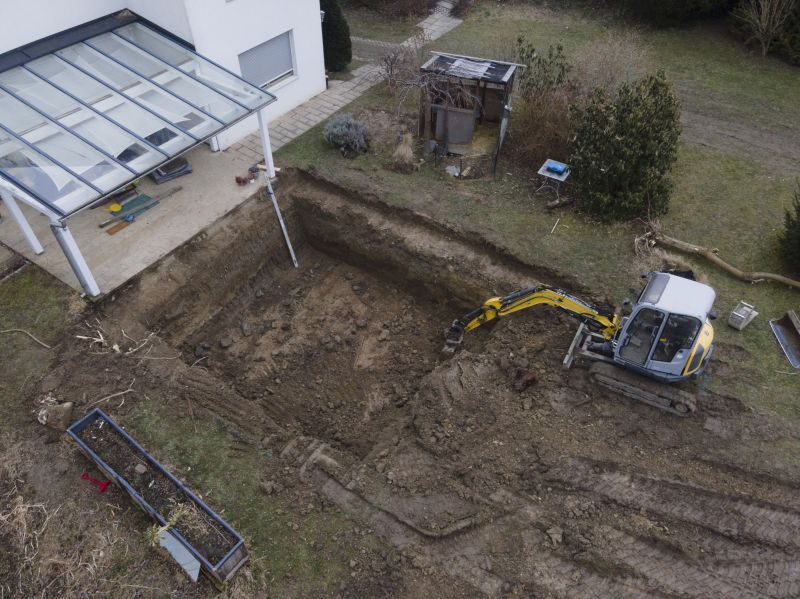
Pool excavation services involve the removal of soil and earth to prepare a site for installing a new swimming pool. This process includes grading the land, digging the pool’s shape, and ensuring proper depth and dimensions to meet the homeowner’s specifications. These services are suitable for a variety of pool types, such as in-ground concrete, vinyl liner, or fiberglass pools, and are essential for creating a stable foundation that supports the structure and ensures proper drainage.
Property owners typically want to understand the scope of excavation needed for their specific pool design, including the size, depth, and any site-specific challenges like uneven terrain or underground obstructions. It’s also important to consider how excavation may impact existing landscaping, utilities, or property features. Clarifying these details beforehand helps ensure the project proceeds smoothly and aligns with the homeowner’s expectations for their new pool installation.
Many property owners in Salt Lake City, UT look into Pool Excavation for repairs, replacements, upgrades, and appearance-related improvements.
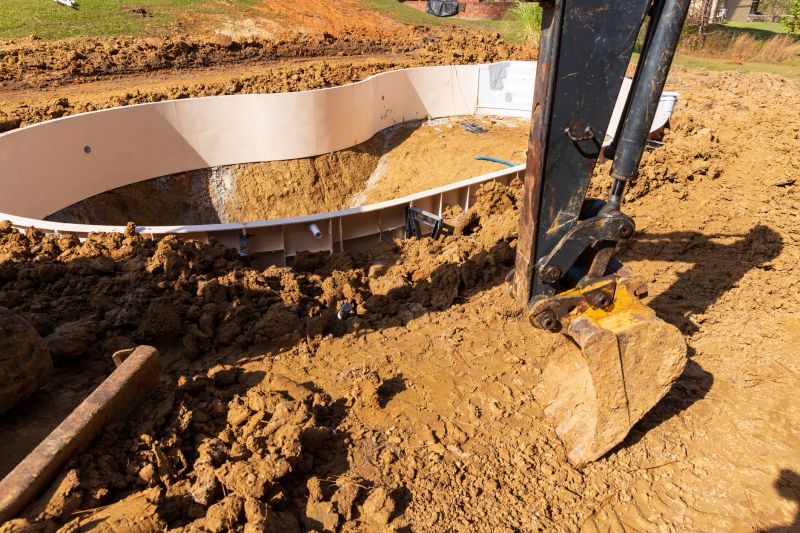
Pool Removal And Land Clearing
Complete removal of old or damaged pools to prepare your yard for new projects.
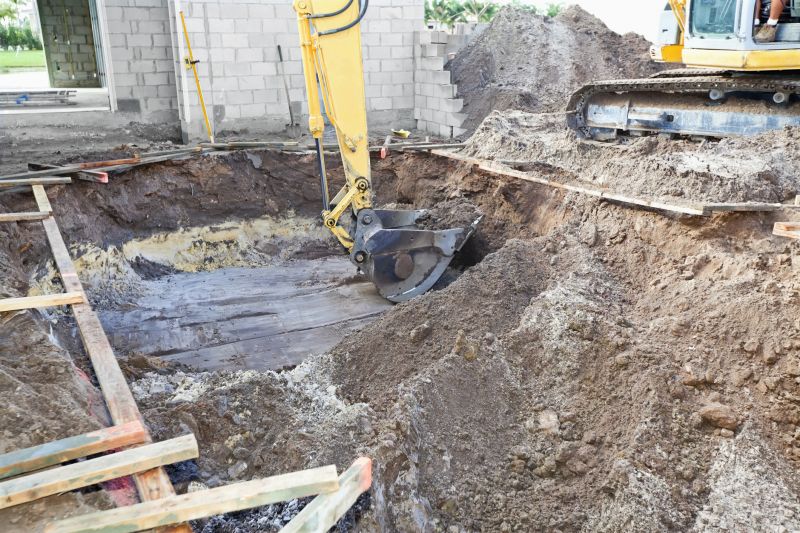
Site Preparation And Grading
Leveling and shaping the ground to ensure a stable foundation for new pool installations.
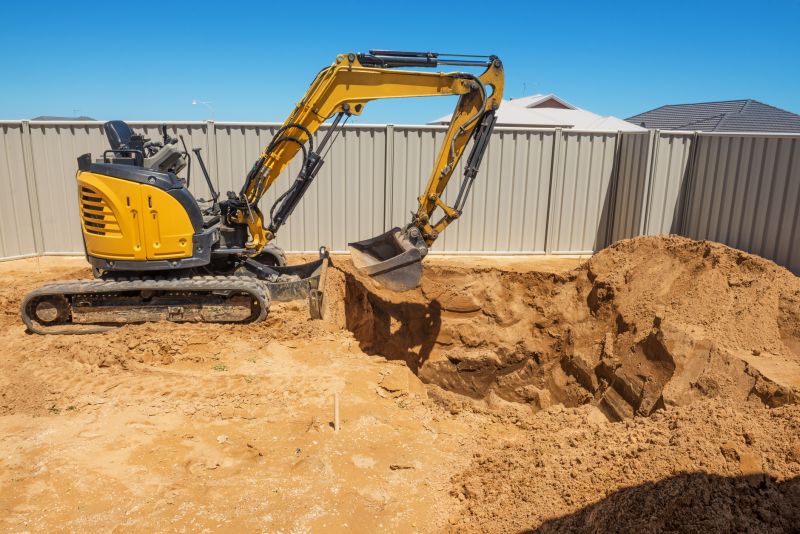
Excavation For Custom Pools
Excavating tailored shapes and sizes to fit your backyard vision in salt lake city, ut.
Pool Excavation in Salt Lake City, UT
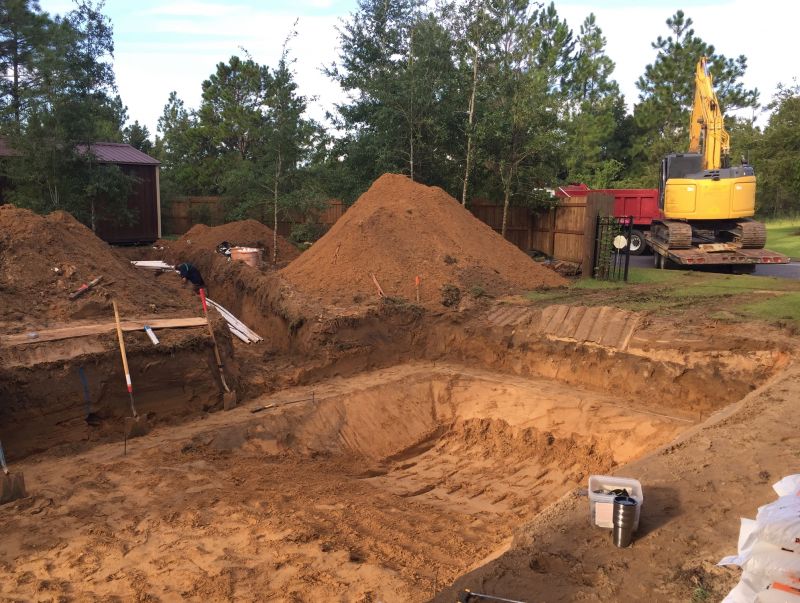
Pool excavation services involve the removal of soil and earth to prepare a site for installing a new swimming pool. This process includes grading the land, digging the pool’s shape, and ensuring proper depth and dimensions to meet the homeowner’s specifications. These services are suitable for a variety of pool types, such as in-ground concrete, vinyl liner, or fiberglass pools, and are essential for creating a stable foundation that supports the structure and ensures proper drainage.
Property owners typically want to understand the scope of excavation needed for their specific pool design, including the size, depth, and any site-specific challenges like uneven terrain or underground obstructions. It’s also important to consider how excavation may impact existing landscaping, utilities, or property features. Clarifying these details beforehand helps ensure the project proceeds smoothly and aligns with the homeowner’s expectations for their new pool installation.
Many property owners in Salt Lake City, UT look into Pool Excavation for repairs, replacements, upgrades, and appearance-related improvements.
Common Pool Excavation Jobs
Pool excavation - prepares the site by removing soil to create a level foundation for a new pool.
In-ground pool removal - involves excavating and removing an existing pool for property renovation or reconfiguration.
Spa and hot tub excavation - prepares the area for installing or replacing outdoor spas and hot tubs.
Retaining wall excavation - creates space for retaining walls that support pool decks or landscape features.
Landscape and yard grading - shapes the terrain around the pool area for proper drainage and aesthetic appeal.
Debris and soil removal - clears excess soil and debris after excavation to prepare the site for construction.
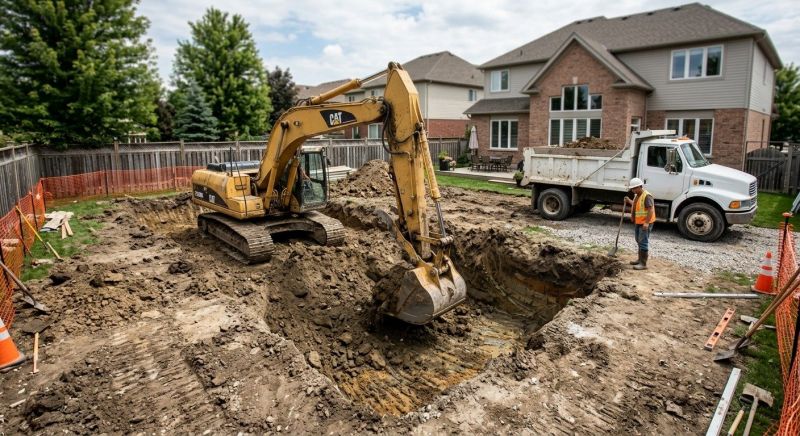
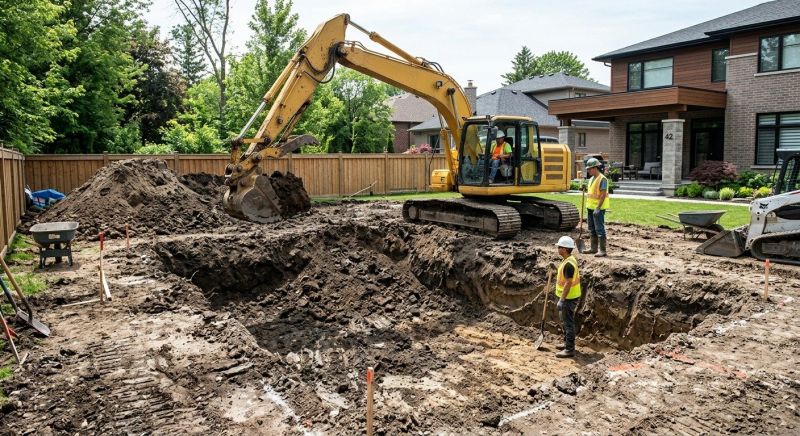
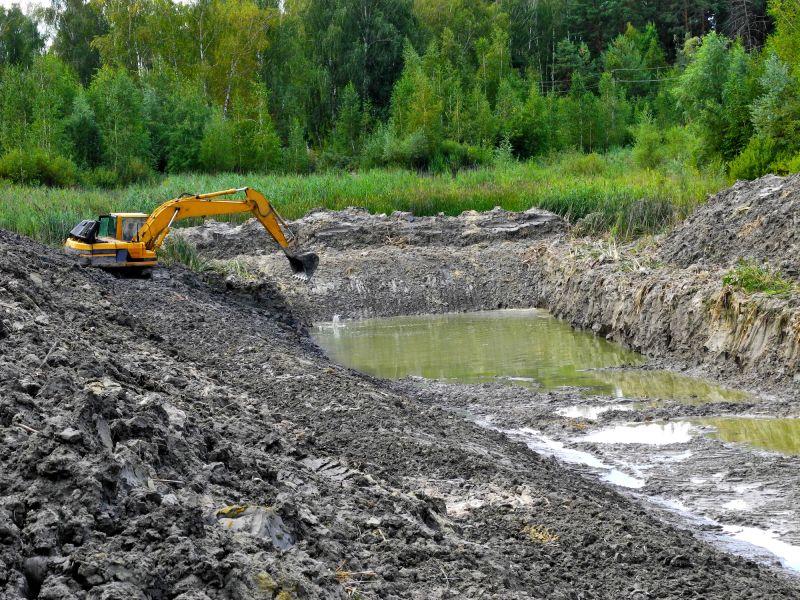
Pool Excavation Questions
What is involved in pool excavation? Pool excavation includes digging the area where the pool will be installed, removing soil, and preparing the site for construction.
What types of pools require excavation? Both in-ground concrete, vinyl, and fiberglass pools typically need excavation as part of their installation process.
How should property owners prepare for excavation? Clear the area of obstacles and ensure easy access to the site to facilitate efficient excavation work.
What are common reasons for excavation delays? Delays may occur due to unexpected underground obstructions or weather conditions affecting the work schedule.
Request Pool Excavation in Salt Lake City, UT
Use the quote form on this page to share the basics of your project and request more information for the type of work you need.